Labor Cost: Zero
Mechanics charge between £60 to £150 per hour just for their time! By doing the work myself, I keep that money in my pocket. Imagine what you could buy with an extra £100 every time your car needs a check-up.
I used to think opening the hood was only for "car people." But after seeing a £400 bill for a simple oil change and filter swap, I started asking questions! Is it actually cheaper to do it yourself, or am I just setting myself up for a mechanical disaster? Let's break down the costs and the chaos.
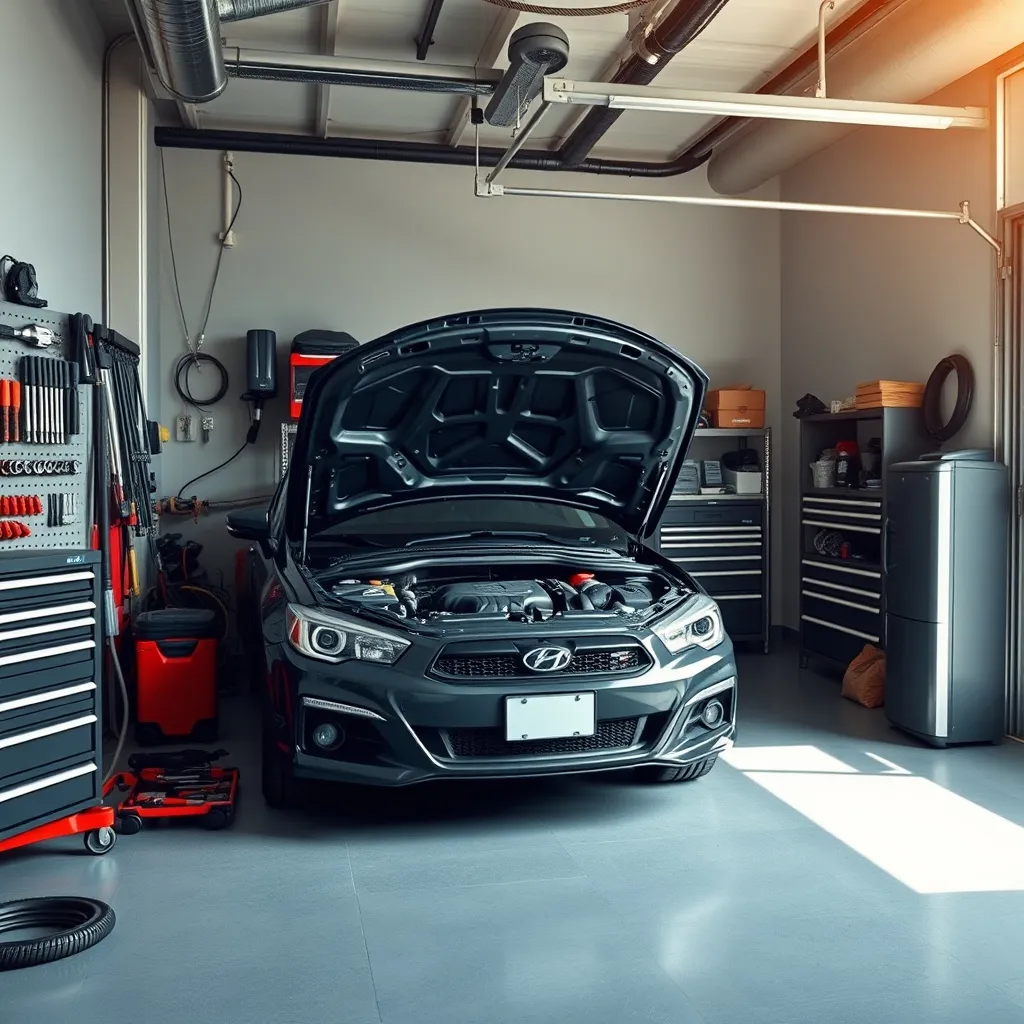
Mechanics charge between £60 to £150 per hour just for their time! By doing the work myself, I keep that money in my pocket. Imagine what you could buy with an extra £100 every time your car needs a check-up.
Garages often markup parts by 20-50%. When I buy my own filters and oil, I know exactly what brand I'm getting and that I'm paying the fair market price. No more "mystery" premium charges!
Getting under the car myself means I spot leaks or worn belts before they become massive repairs. It's about being proactive rather than waiting for a warning light to scream at me.
Wait, did you know that changing a cabin air filter takes literally 5 minutes? I was shocked! Most modern cars have them right behind the glovebox. A garage might charge £30 for the part and £20 for labor. I bought the filter for £12 online. That's a £38 saving for 5 minutes of work!
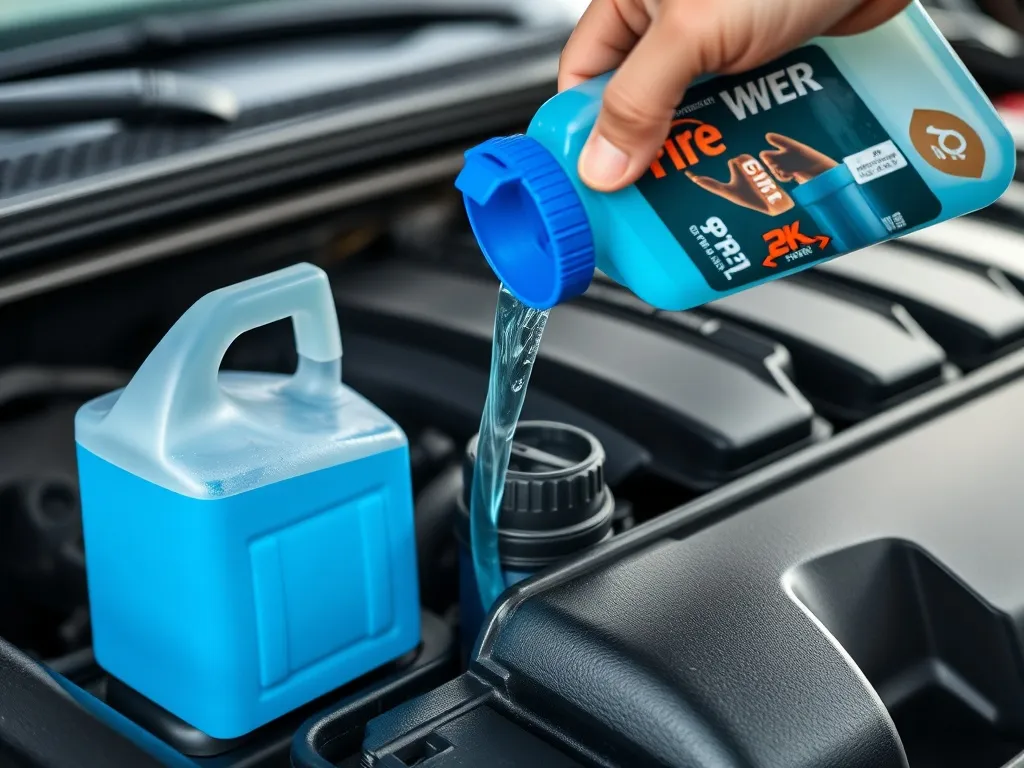
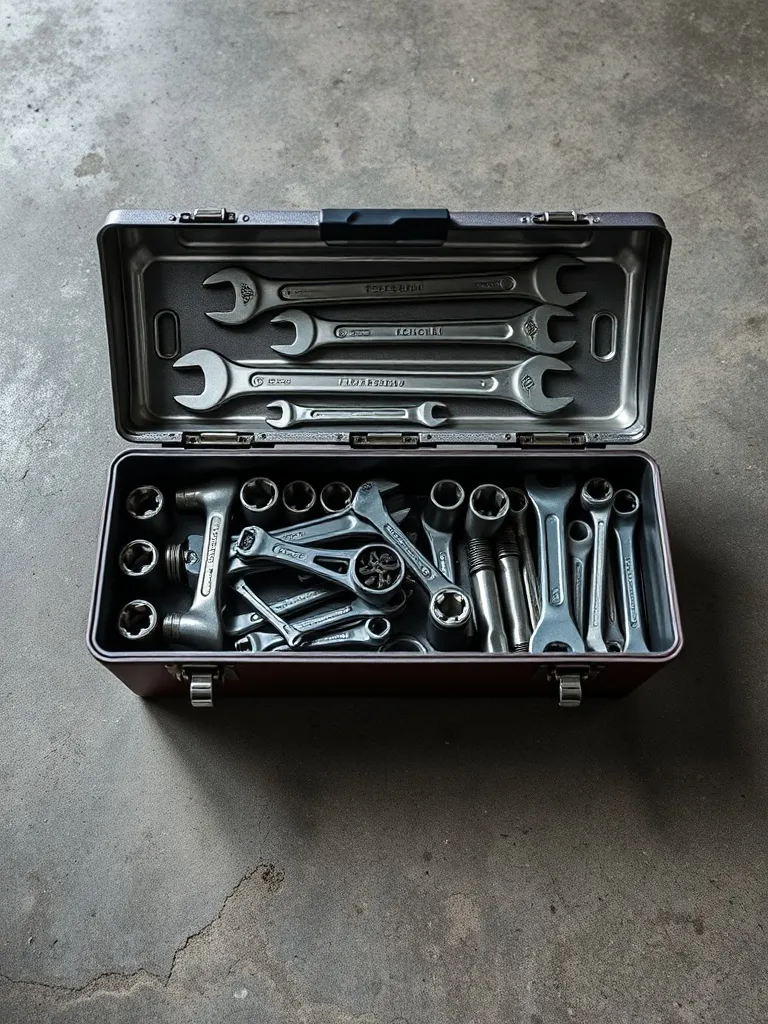
"But the tools are so expensive!" That's what I thought too. Ouch! My first socket set cost £60. But then I realized: that set pays for itself in just one brake pad change. You don't need a professional hydraulic lift to start.
Pro tip: Start small. Only buy the tool when you actually need it for a specific job. Borrowing from a neighbor is also a great way to save!
This is where it gets tricky. If you do everything yourself, you won't have those official "dealer stamps" in your book. For an older car, this doesn't matter much. But for a newer car, it might hurt the resale value. Check out how car depreciation works to see if DIY is right for your vehicle's age.
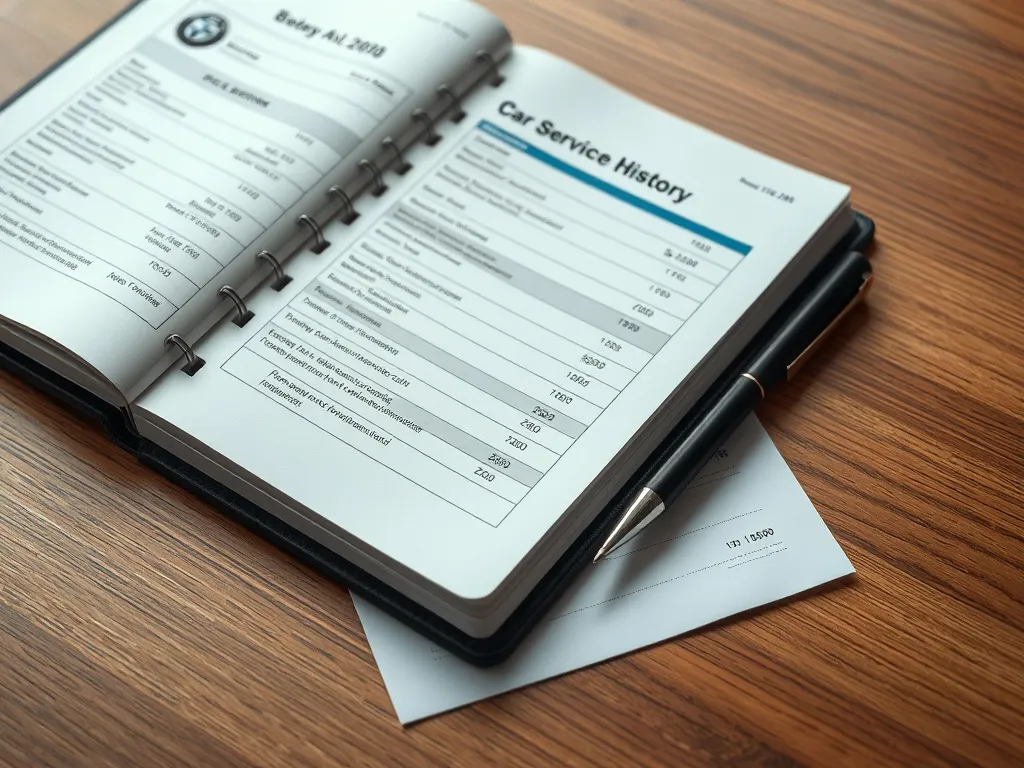
I keep a "maintenance diary" (just a notebook!) where I tape every receipt for parts and write down the date and mileage of every oil change. It shows a buyer that I actually cared for the car, maybe even more than a rushed mechanic would!
Only essential content — no spam.
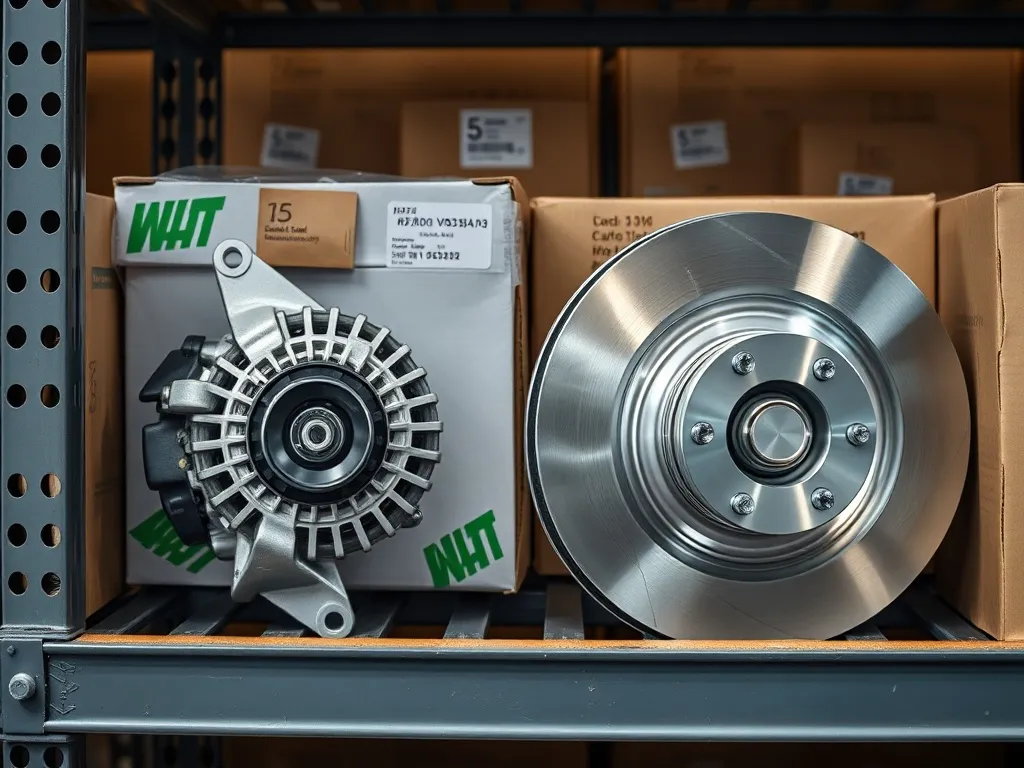
Finding the right parts was the scariest part for me. What if I buy the wrong brake pads? Turns out, most websites let you put in your number plate, and they show you exactly what fits. It's almost foolproof!
Buying online is usually 30% cheaper than the local auto shop. Just remember to factor in shipping time. If your car is already in pieces in the driveway, you don't want to wait 3 days for a bolt!
Original parts. More expensive but guaranteed fit.
Cheaper alternatives. Great for older cars.
I spent hours on YouTube watching people work on my specific car model. Seeing someone else do it made me realize it's just nuts and bolts, not rocket science! I also checked out the hidden fees in my car loan to see how much I really needed to save.
I changed my own oil. It was messy, and I spilled a bit (oops!), but when I finished, I felt like a genius. Total cost: £35. Garage quote: £110. That's £75 for an hour of work!
I learned that I shouldn't touch the timing belt or the clutch. Some things require specialized tools and years of experience. DIY is about saving money, not breaking the car and spending thousands to fix my mistakes!
Maintenance is just one part of the puzzle. If you're looking to cut your total driving costs, you need to look at the big picture—from insurance to fuel.
This website is for informational and educational use only | Content is reference-only and does not constitute professional financial or mechanical advice